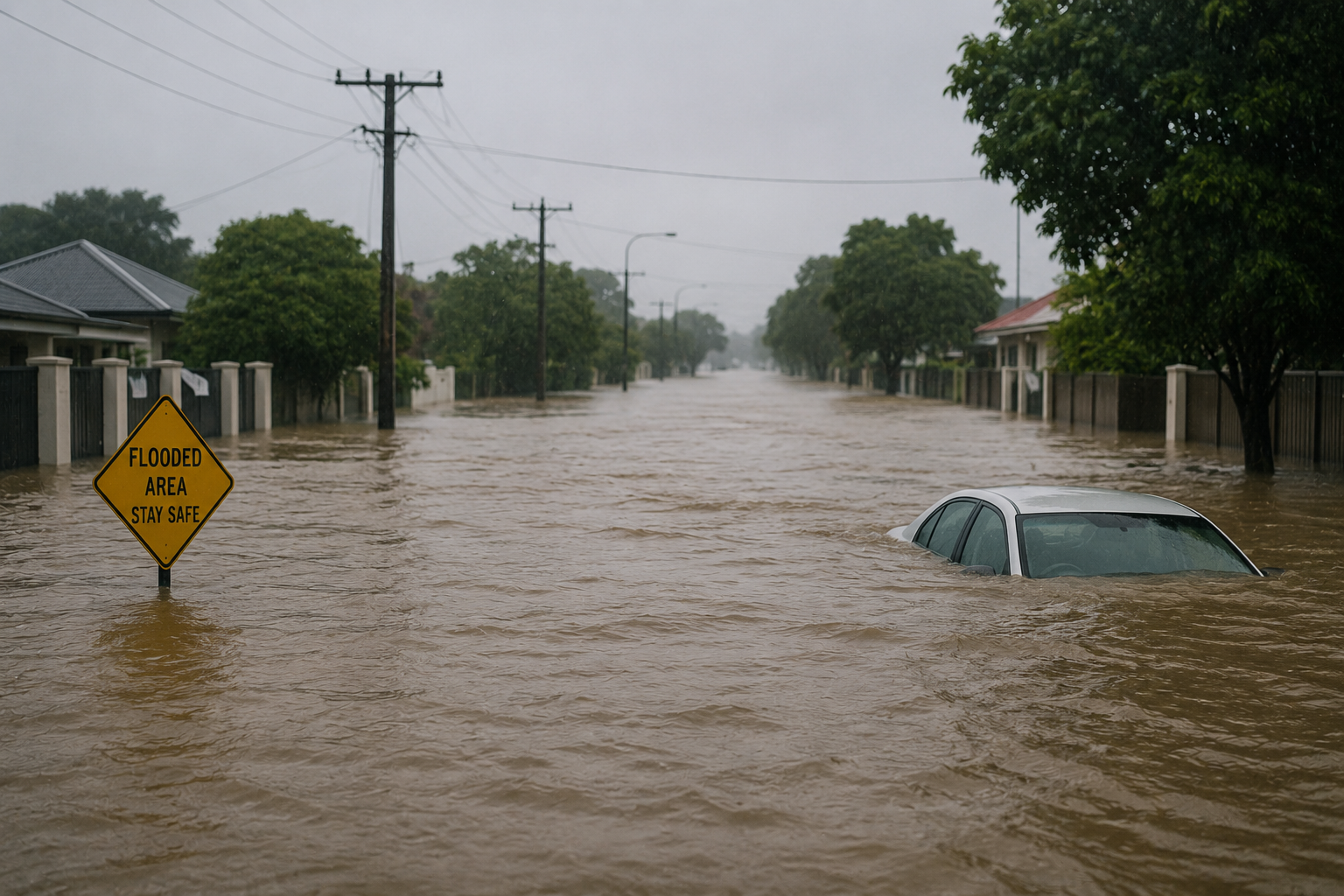
Human Negligence Is Fueling Flood Disasters: Why Sustainable Action Can’t Wait 🌍🌧️
Floods, excessive rainfall, and climate-related disasters are no longer rare events. Across the world, communities are witnessing devastating floods that destroy homes, infrastructure, crops, and livelihoods. While climate variability plays a role, human negligence has significantly intensified the damage.
Poor urban planning, deforestation, weak infrastructure, and environmental degradation are turning heavy rainfall into large-scale disasters. What were once manageable climate events are now causing tragic loss of life and billions in damages.
The alarming reality is this: many flood disasters are preventable.
This blog explores why floods are becoming more destructive, the role of human negligence, recent global flood disasters, and the sustainable solutions governments, businesses, and communities must adopt to build climate-resilient societies.
Why Flood Disasters Are Becoming Worse
Flooding is a natural phenomenon. However, the scale and frequency of modern floods are being amplified by human activities.
1. Climate Change Is Intensifying Rainfall
Climate change has increased global temperatures due to the burning of fossil fuels and greenhouse gas emissions. A warmer atmosphere holds more moisture. Scientists estimate that for every 1°C rise in temperature, the atmosphere can hold nearly 7% more water vapor.
This leads to:
- Heavier rainfall
- Sudden cloudbursts
- Extreme weather events
- More intense monsoon systems
As rainfall intensity increases, drainage systems and rivers struggle to cope, causing flash floods and widespread inundation.
Climate change is not just an environmental issue anymore. It is a business, economic, and humanitarian crisis.
Poor Urban Planning Is Accelerating Flood Damage
One of the biggest contributors to modern flood disasters is poor urban development.
Many cities have expanded rapidly without sustainable planning. Wetlands, lakes, and floodplains that once absorbed excess water are now covered with:
- Concrete roads
- Buildings
- Commercial zones
- Encroachments
Natural drainage systems are often blocked or narrowed due to construction activities.
Common Urban Planning Mistakes
- Building on floodplains
- Encroaching lakes and wetlands
- Poor stormwater drainage systems
- Excessive concretization
- Illegal land development
When rainwater cannot seep into the ground naturally, it flows rapidly across hard surfaces, creating urban flash floods.
Cities across Asia, Africa, and the Americas are already experiencing the consequences of unsustainable urbanization.
Deforestation and Land Degradation Are Increasing Risks 🌱
Forests play a critical role in flood prevention. Trees and vegetation absorb rainwater, reduce runoff, and stabilize soil.
However, rapid deforestation for mining, urban expansion, and agriculture has weakened natural ecosystems.
Without forests:
- Rainwater flows rapidly downhill
- Soil erosion increases
- Rivers carry more sediment
- Landslide risks rise
- Flood severity worsens
Wetlands and mangroves also act as natural flood buffers. Destroying these ecosystems removes vital protection against flooding.
Environmental degradation is silently increasing disaster vulnerability across the globe.
Weak Infrastructure and Poor Governance
Climate hazards become disasters when infrastructure and systems fail.
In many regions, flood management systems remain outdated or poorly maintained.
Critical Challenges Include-
- Weak dam management
- Aging drainage infrastructure
- Poorly designed roads
- Lack of flood zoning regulations
- Inadequate early warning systems
- Delayed disaster response mechanisms
In several recent flood disasters, preventable failures in planning and regulation significantly increased casualties and damage.
Governments and urban authorities must move from reactive disaster response to proactive resilience planning.
Major Flood Disasters in 2025 🌊
The year 2025 has already witnessed several devastating flood events around the world.
Central Texas Floods (July 2025)
Flash floods in Central Texas killed more than 135 people after the Guadalupe River overflowed following intense rainfall.
The disaster caused approximately $1.1 billion in damages, affecting homes, roads, businesses, and public infrastructure.
Rapid urban expansion and inadequate flood preparedness worsened the situation.
Pakistan Monsoon Floods (August 2025)
Heavy monsoon rains in Punjab and Khyber Pakhtunkhwa displaced more than one million people.
Key impacts included:
- Over 300 lives lost
- Around 1,400 villages submerged
- Large-scale crop destruction
- Infrastructure collapse
Pakistan continues to face recurring climate vulnerability due to deforestation, drainage challenges, and fragile infrastructure systems.
Nigeria Flood Disaster (May 2025)
Flooding in Mokwa, Nigeria, combined with a dam collapse, created one of the country’s deadliest disasters in recent years.
The floods:
- Killed more than 500 people
- Left over 600 missing
- Destroyed thousands of homes
Weak infrastructure management and poor disaster preparedness contributed significantly to the scale of destruction.
Argentina Flash Floods (March 2025)
Historic rainfall in Bahía Blanca triggered catastrophic flash floods.
The disaster resulted in:
- 17 confirmed deaths
- Over 200 people missing
- Severe infrastructure damage
Extreme rainfall combined with overwhelmed drainage systems caused rapid urban flooding.
Jakarta Floods, Indonesia (March 2025)
Jakarta experienced its worst flooding since 2020, displacing nearly 90,000 residents.
Contributing factors included:
- Sea-level rise
- Land subsidence
- Poor drainage
- Rapid urbanization
Jakarta highlights the urgent need for climate-resilient urban planning in coastal megacities.
Climate Hazards + Human Negligence = Preventable Disasters
Natural hazards alone do not create catastrophic disasters.
Disasters become severe when societies ignore environmental sustainability, urban resilience, and climate preparedness.
Floods today are increasingly linked to:
- Unsustainable development
- Weak environmental governance
- Neglect of natural ecosystems
- Short-term planning priorities
The good news is that solutions already exist.
The challenge is implementation.
Sustainable Solutions for Flood Resilience 🌿
Creating climate-resilient communities requires collaboration between governments, businesses, environmental agencies, urban planners, and citizens.
What Governments Must Do
Governments play the largest role in reducing disaster risks.
Key Actions
- Enforce no-build zones in floodplains
- Strengthen environmental regulations
- Improve disaster preparedness systems
- Modernize drainage infrastructure
- Expand early-warning systems
- Regulate mining and deforestation
Long-term resilience requires policy decisions based on sustainability rather than short-term economic gains.
The Role of Urban Planners
Modern cities must adopt green infrastructure strategies.
Sustainable Urban Planning Approaches
- Permeable pavements
- Rain gardens
- Bioswales
- Floodable parks
- Green corridors
- Urban wetlands restoration
These systems help cities absorb excess rainfall naturally instead of overwhelming drainage systems.
Blue-green infrastructure is becoming a critical strategy for flood-resilient cities worldwide.
How Corporates Can Support ESG and Sustainability Goals
Businesses have a major opportunity to contribute through ESG-driven investments and CSR initiatives.
Corporate Sustainability Investments
- Green roofs
- Urban lagoons
- Renewable energy projects
- Wetland restoration
- Flood resilience infrastructure
- Sustainable water management systems
Organizations that invest in sustainability not only reduce climate risks but also strengthen long-term brand credibility and stakeholder trust.
Environmental responsibility is increasingly becoming a core business priority.
Community Participation Is Essential 🤝
Communities are often the first responders during disasters.
Citizen engagement can significantly improve resilience.
Community-Led Initiatives
- Flood monitoring programs
- Disaster preparedness drills
- Local conservation projects
- Waste management awareness
- River and lake restoration drives
When communities participate actively, disaster response becomes faster and more effective.
The Role of Environmental Agencies
Environmental agencies must prioritize ecosystem restoration.
Critical Focus Areas
- Wetland restoration
- Forest conservation
- River rejuvenation
- Watershed management
- Mangrove protection
Healthy ecosystems naturally reduce flood risks and improve climate resilience.
Nature-based solutions are often more sustainable and cost-effective than purely engineered systems.
Academia and Data-Driven Flood Management 📊
Research institutions and technology experts are playing a growing role in disaster prevention.
Modern flood resilience strategies increasingly rely on:
- Predictive flood mapping
- Big data analytics
- AI-driven weather modeling
- GIS-based urban planning
- Blue-green infrastructure design
Data-driven decision-making allows cities and governments to prepare for risks before disasters occur.
In-House Disaster Planning vs Sustainable Outsourced Expertise
Many governments and organizations struggle to build specialized sustainability and environmental intelligence capabilities internally.
Challenges of In-House Planning
- High operational costs
- Limited environmental data expertise
- Lack of scalability
- Delayed implementation
- Fragmented research systems
Benefits of Outsourced Data Research Services
Working with specialized outsourced data research services providers can help organizations:
- Access accurate environmental intelligence
- Improve predictive planning
- Scale sustainability initiatives faster
- Support ESG reporting
- Enable better urban resilience strategies
Reliable data collection and research services are becoming critical for climate adaptation and disaster management initiatives.
How BrainyPlus Supports Climate Resilience 🌍
At BrainyPlus, we believe sustainability requires action, collaboration, and data-driven solutions.
We are committed to supporting impactful CSR and ESG initiatives that strengthen climate resilience and environmental sustainability.
Our Focus Areas
Ecosystem Restoration
- Wetlands
- Forests
- Riparian zones
- Watershed ecosystems
Green Urban Infrastructure Pilots
- Rain gardens
- Permeable streets
- Urban green spaces
- Flood-resilient public infrastructure
Community-Led Flood Resilience Programs
- Citizen monitoring initiatives
- Preparedness training
- Awareness campaigns
- Local sustainability partnerships
Data-Driven Flood Prediction and Urban Planning
Using research, analytics, and structured environmental intelligence, we aim to support smarter climate resilience strategies.
The Need for Collective Action
Flood disasters are no longer isolated events. They are signals of deeper environmental imbalance and planning failures. Governments, corporates, NGOs, researchers, and communities must work together to create resilient systems that protect lives and ecosystems.
Sustainability is not optional anymore. It is essential for survival, economic stability, and long-term development. The cost of inaction is far greater than the cost of prevention.
Final Thoughts
The increasing frequency of floods and climate disasters is a reminder that human negligence has consequences. Ignoring environmental sustainability, destroying ecosystems, and planning cities without resilience in mind will continue to increase risks worldwide.
However, there is still time to act. Through sustainable urban planning, ecosystem restoration, ESG investments, data-driven strategies, and community participation, we can reduce disaster risks and build safer futures.
BrainyPlus invites governments, businesses, NGOs, and communities to collaborate in creating climate-resilient societies that prioritize stewardship over negligence. Together, we can replace environmental neglect with sustainable action.
🚀 Looking to support climate resilience, ESG initiatives, or sustainable urban planning projects?
Connect with BrainyPlus to explore data-driven environmental intelligence, sustainability research, and community-focused resilience programs that create lasting impact.
#Floods #2025Floods #Sustainability #ESG #CSR #GreenInfrastructure #UrbanPlanning
#BrainyPlus #ClimateAction